projects / porting and kitbashing
Porting and kitbashing Halo weapons
This is a how-it's-done write-up, not a portfolio. The goal of the project is a direct port of the original assets, or a kitbash of them where a new weapon is needed. None of the base art is mine: it belongs to the studios that made these games.
What's mine is the method and the design decisions: which parts go together, how they sit, and when a result is good enough. The arsenal below is the worked example.
Tools
- Blender
- All the modelling work, run headless from Python scripts so every step is repeatable. Cycles for these renders.
- A browser kitbash tool
- A small three.js page I had built for this. I drag, crop and scale real game parts, then paste the layout back as JSON. It is the design input.
- Claude Code
- An agent team does the Blender work under my direction: a refiner per weapon, and separate reviewers who see anonymous sheets.
- A spec per weapon
- Every decision I make goes in a file in my own words, so nothing gets re-guessed between passes.
- Python and PIL
- Render sets, review sheets, score tallies and a tone match that moves parts from different games onto one shared gunmetal.
The rules that made it work
- Direct port or kitbash
- Every main surface is a real game mesh with its original texture. Modelled geometry is limited to small connectors, because invented surfaces are what stop a part looking native.
- One reference
- Results are checked side by side against an approved reference weapon, not just against a score.
- Hidden decoys
- Reviewers get deliberately broken parts mixed in. A reviewer who passes a decoy is thrown out.
- Two passes, then stop
- Kitbash, four design options, refine the best two, review, repair, refine, review. Then it comes back to me.
The hard lesson: a modelled rebuild scored well with the reviewers, and I still rejected it on sight as not looking like Halo. Reviewers reward added detail. Going back to real parts fixed it.
Direct port
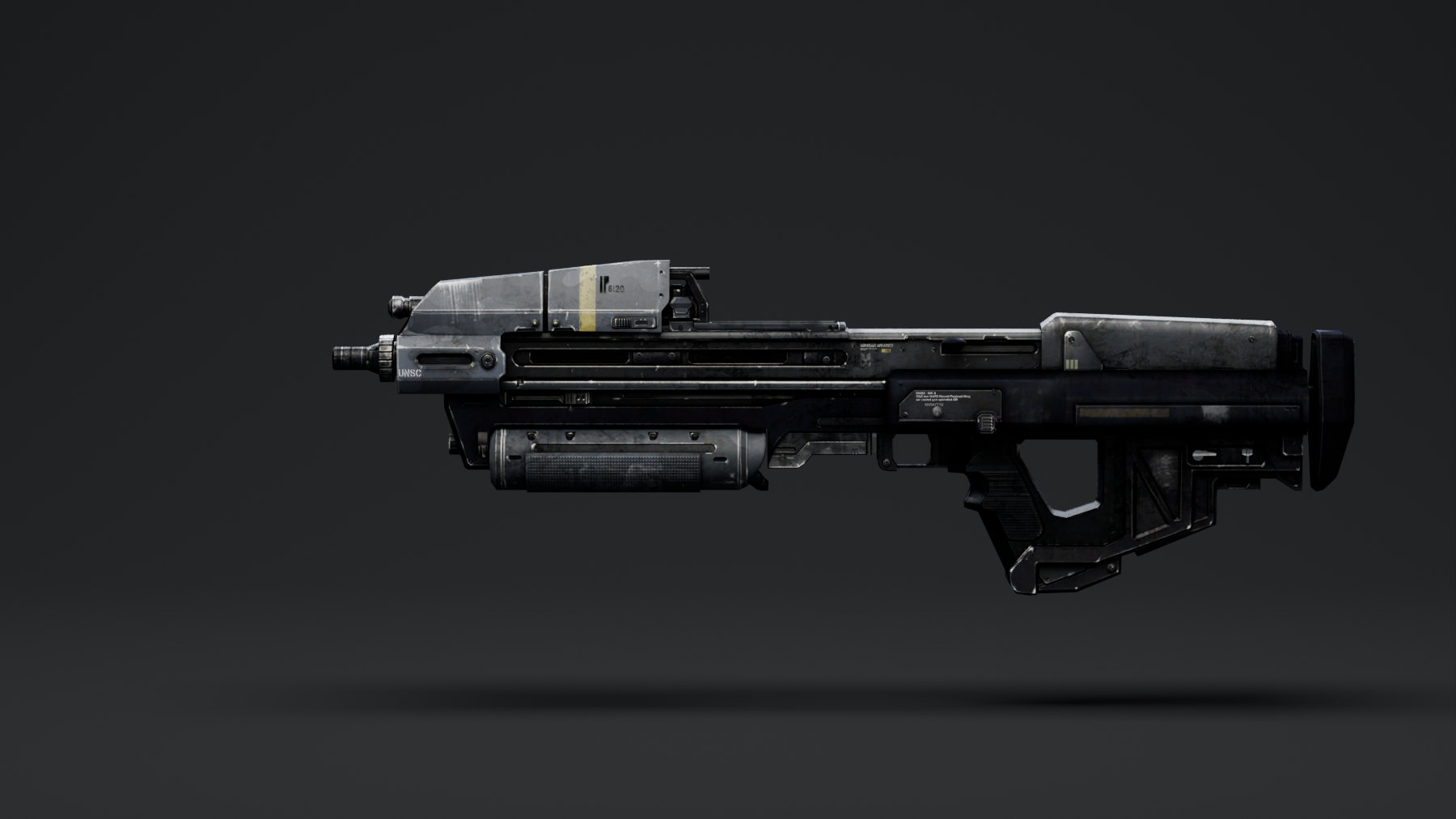
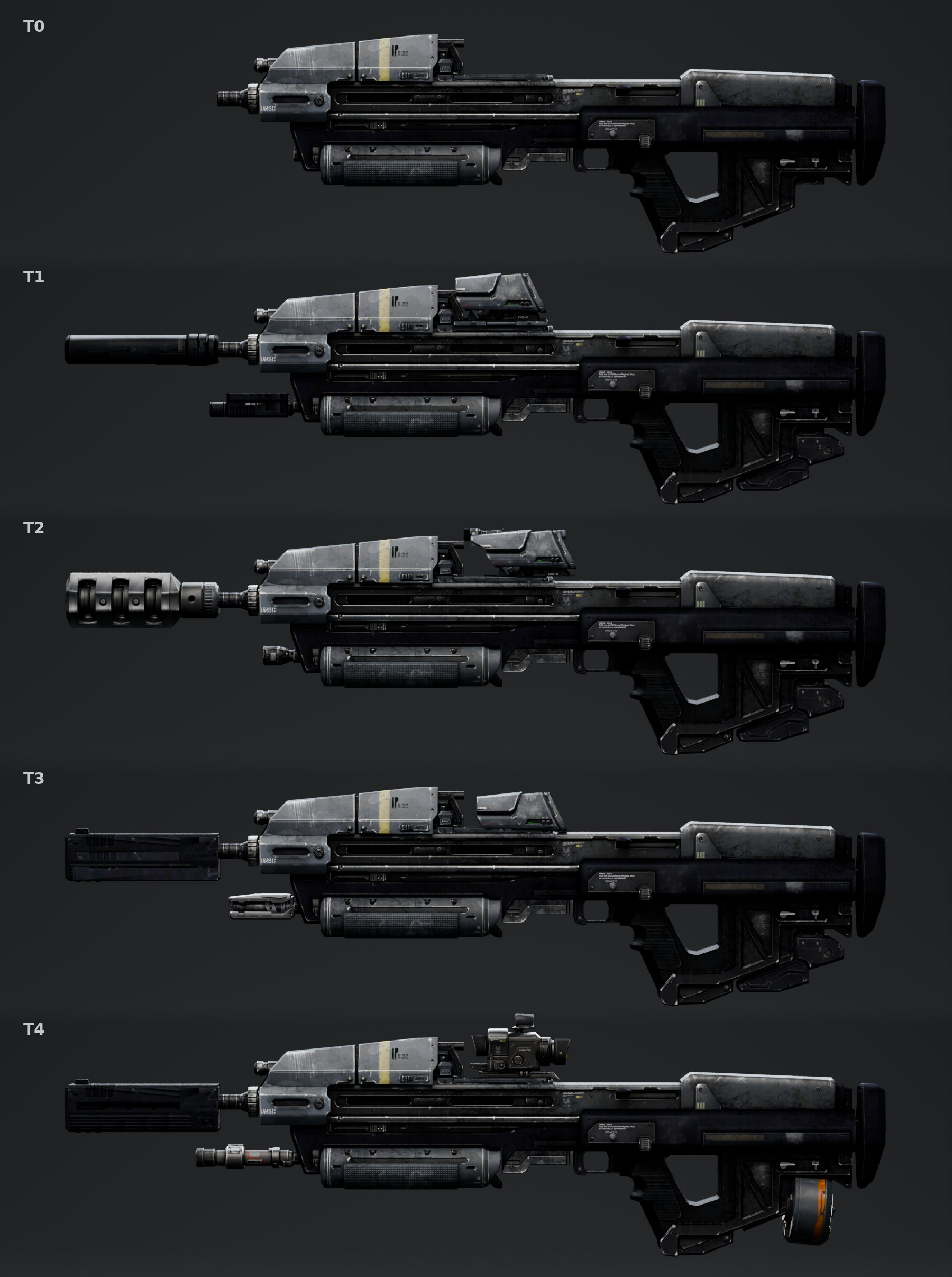
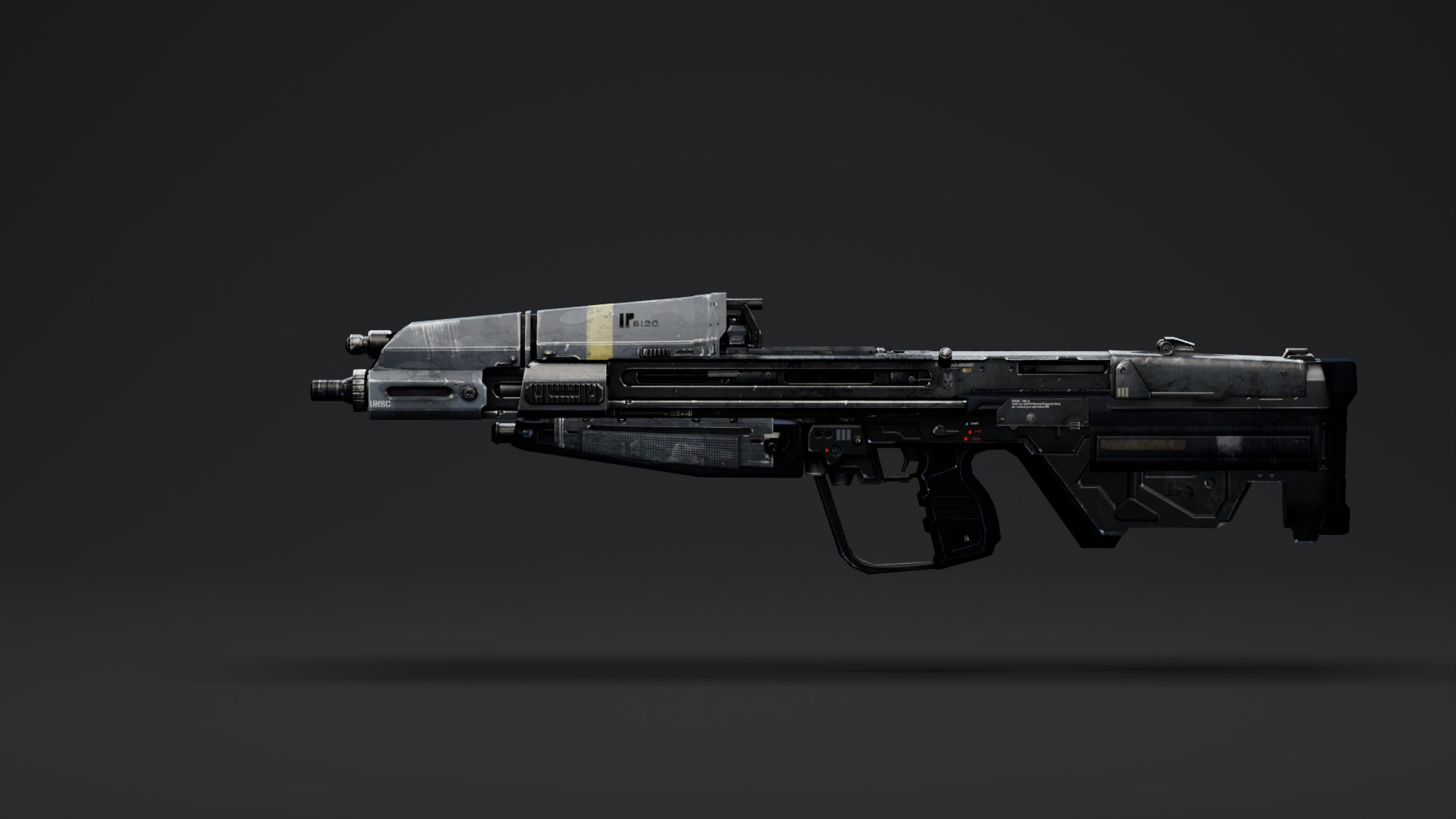
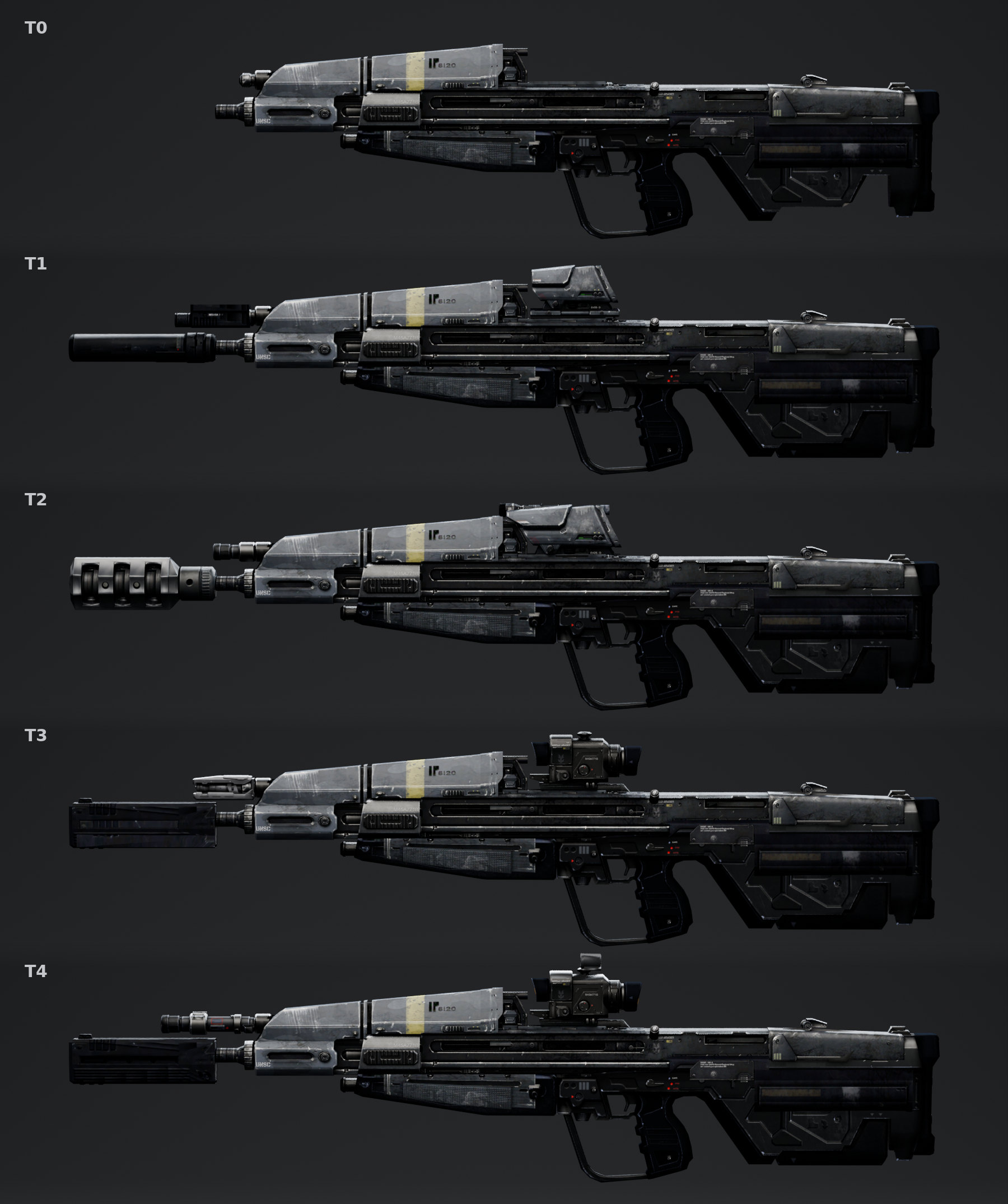
MA37 assault rifle
The Halo: Reach MA37, stripped back to a naked base so every attachment becomes a separate slot.
Review this weapon
1 is no, 5 is yes.
Kitbash
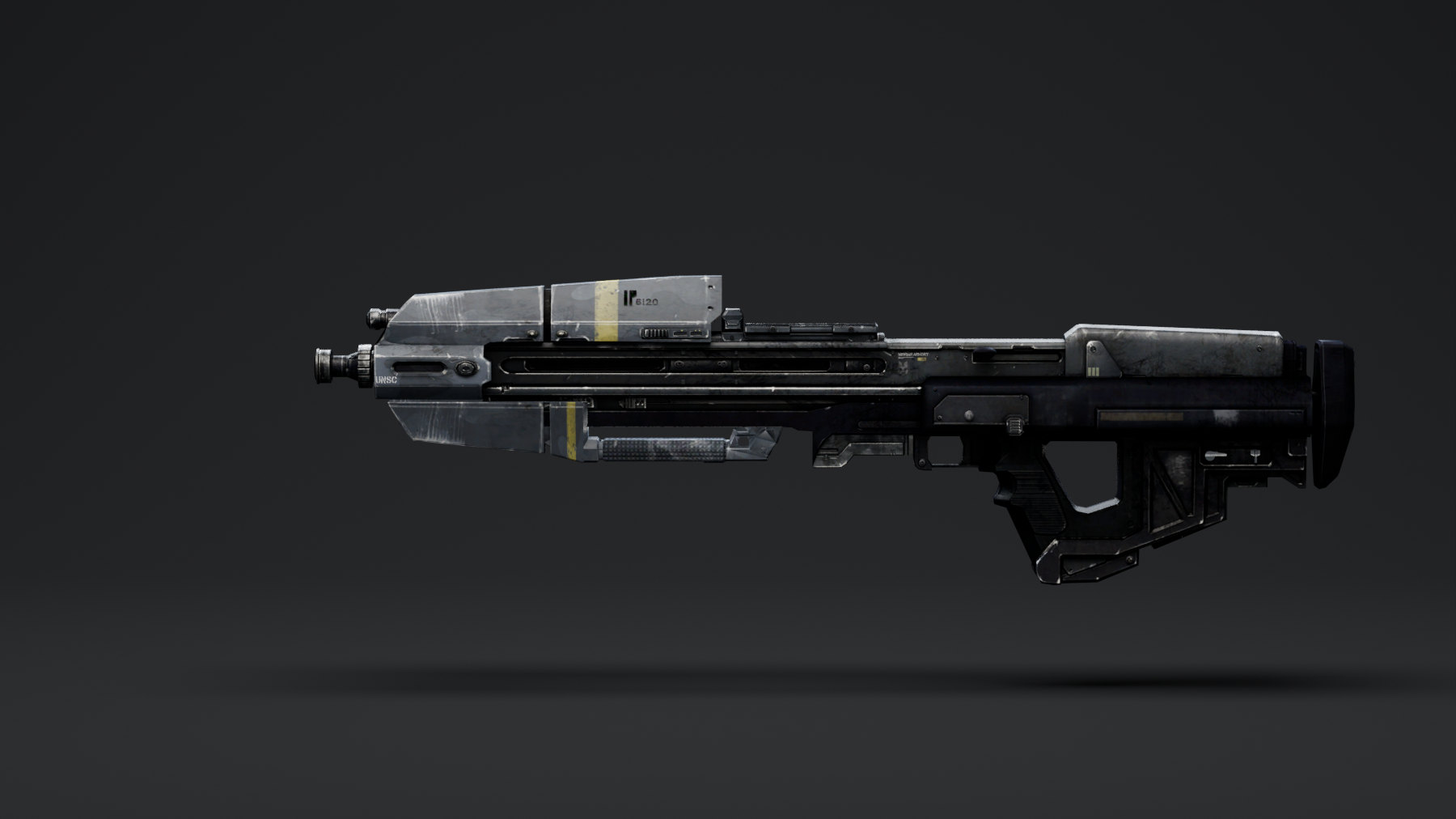
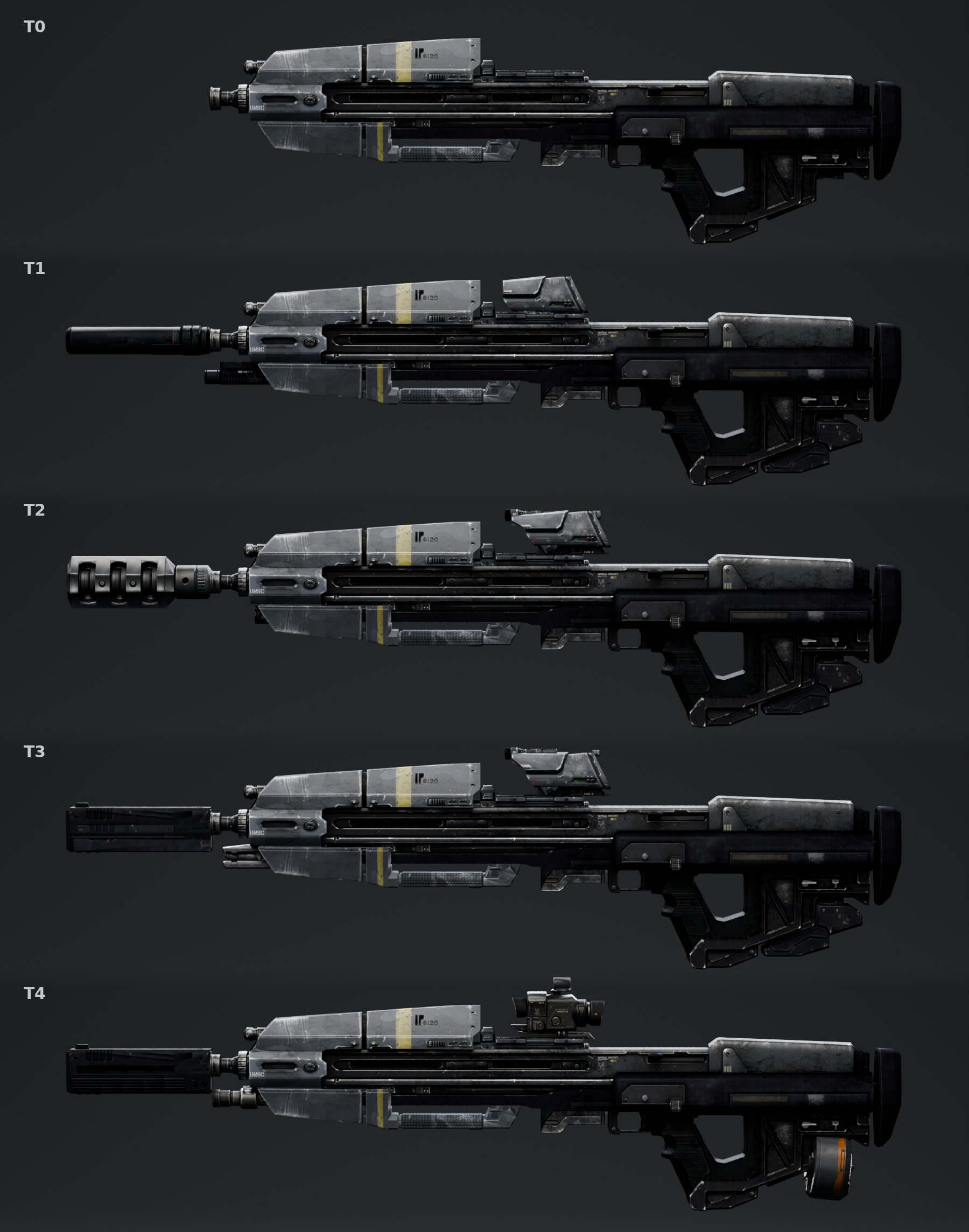
BR51 battle rifle
Built on the Reach MA37: its own top shroud mirrored to make the bottom one, with other real Reach parts for the rest. This one set the method for everything else.
Review this weapon
1 is no, 5 is yes.
Kitbash
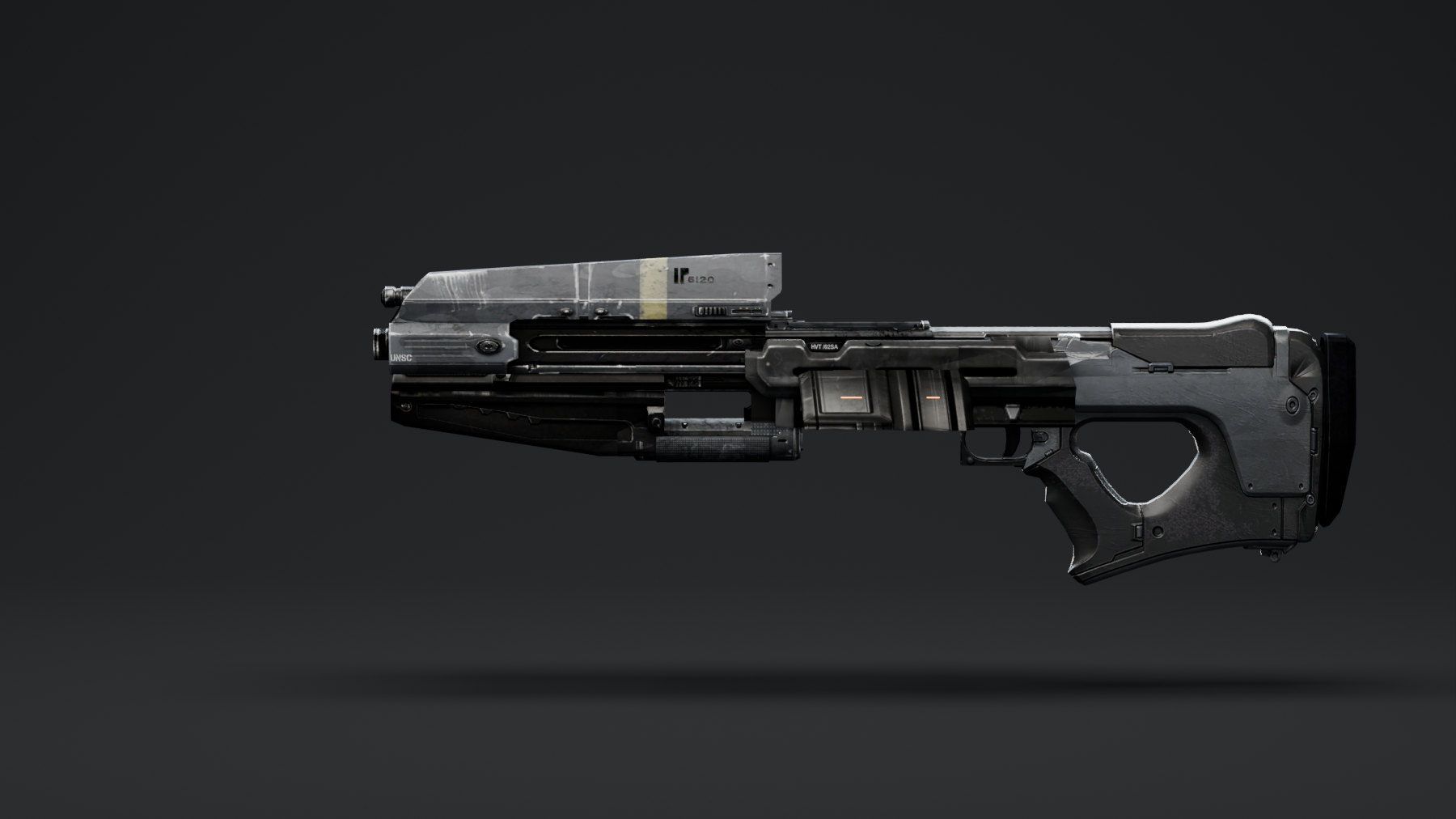
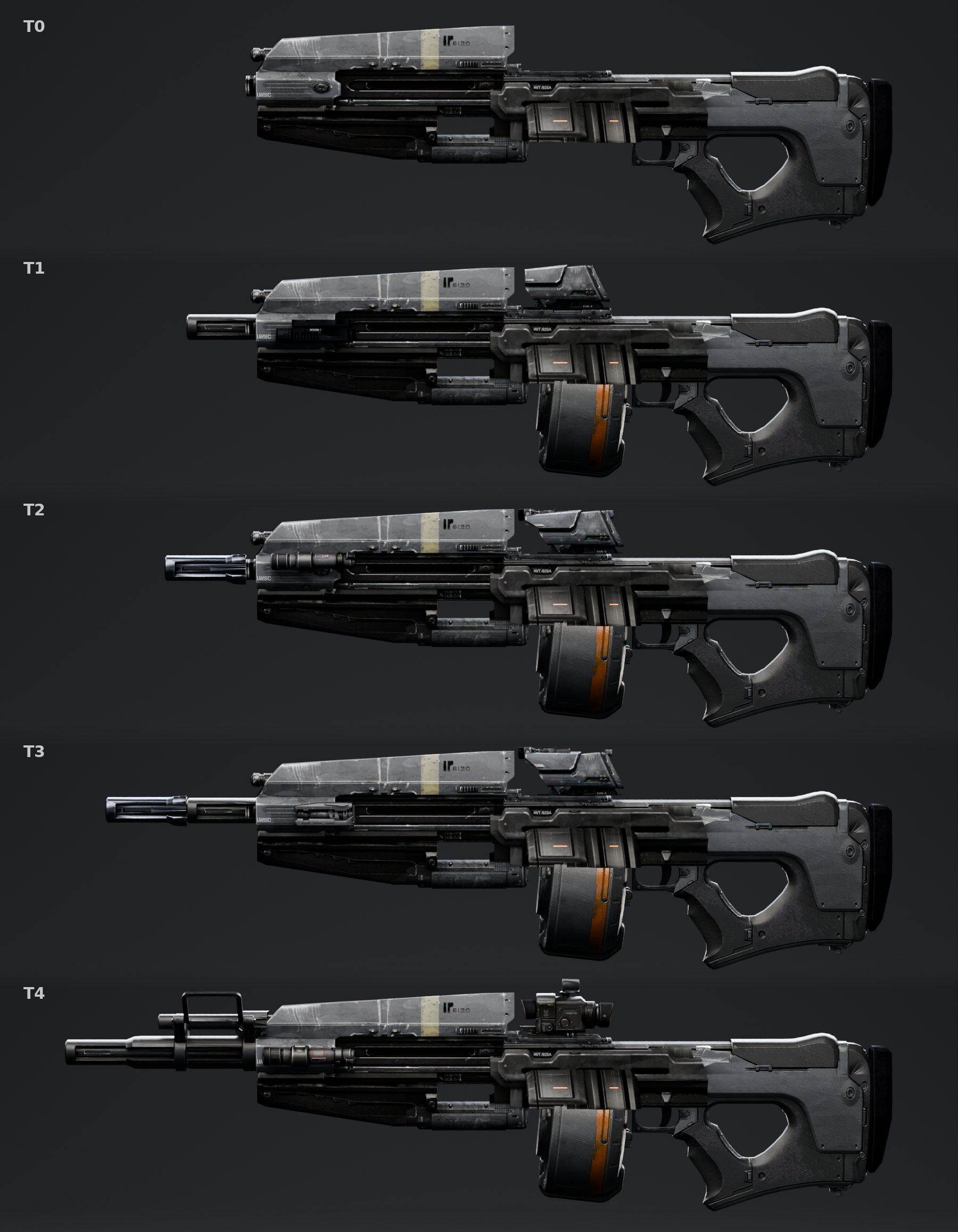
Marksman rifle
The Reach DMR body with an MA37 nose and shroud, set up to read as an earlier model of the DMR. The receiver and body plates are real MA37 panels laid out on shared lines, and the top tube ends in an integrated slot for a flashlight or a laser.
Review this weapon
1 is no, 5 is yes.
Kitbash
Light machine gun
Built on the Halo 4 machine gun body, with Reach shrouds, the Spartan laser's side rail and chassis, a DMR handguard, and the rocket launcher's cylinder housing used as the seat for the drum. It has its own barrel line.
Review this weapon
1 is no, 5 is yes.
Direct port
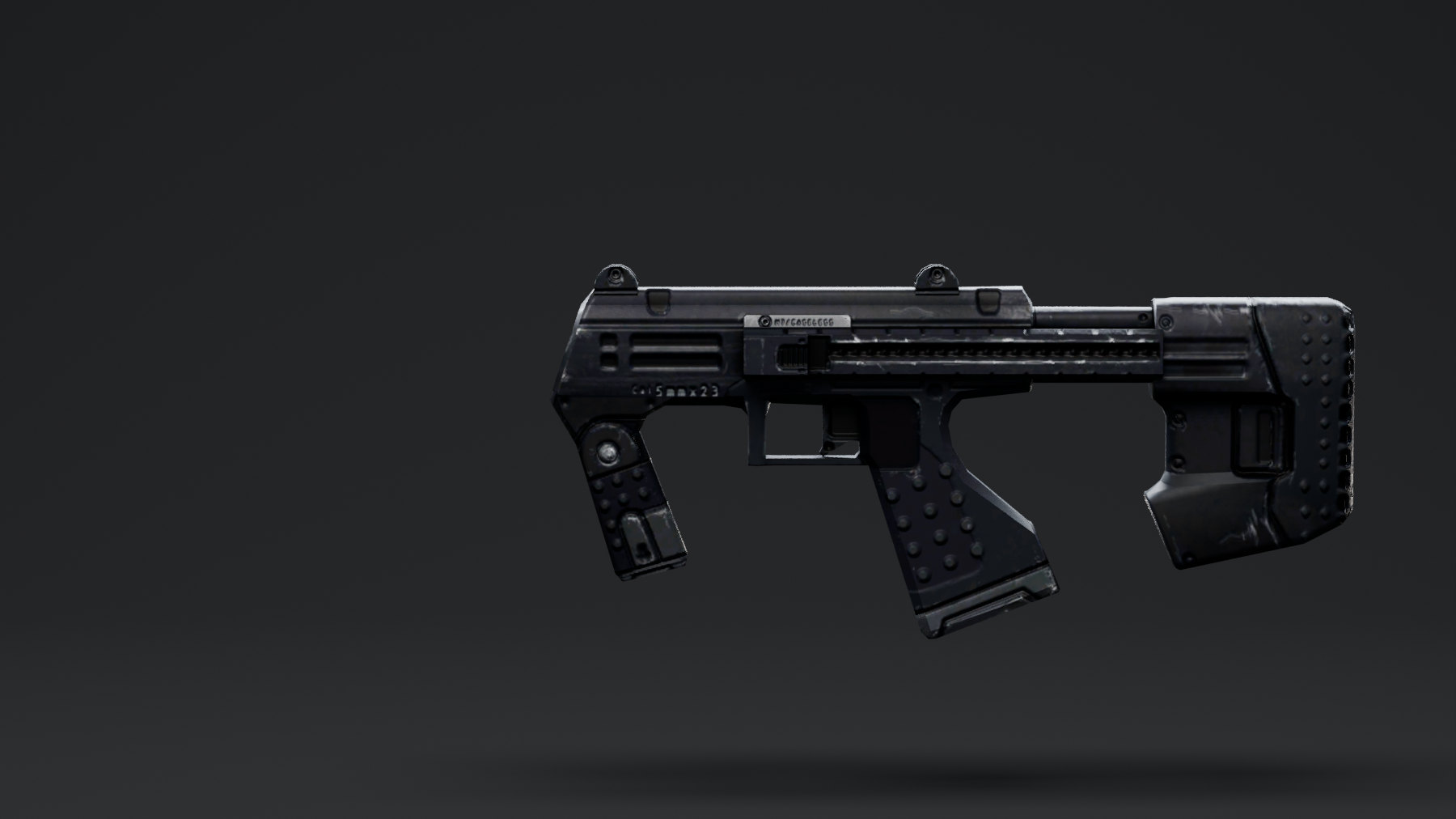
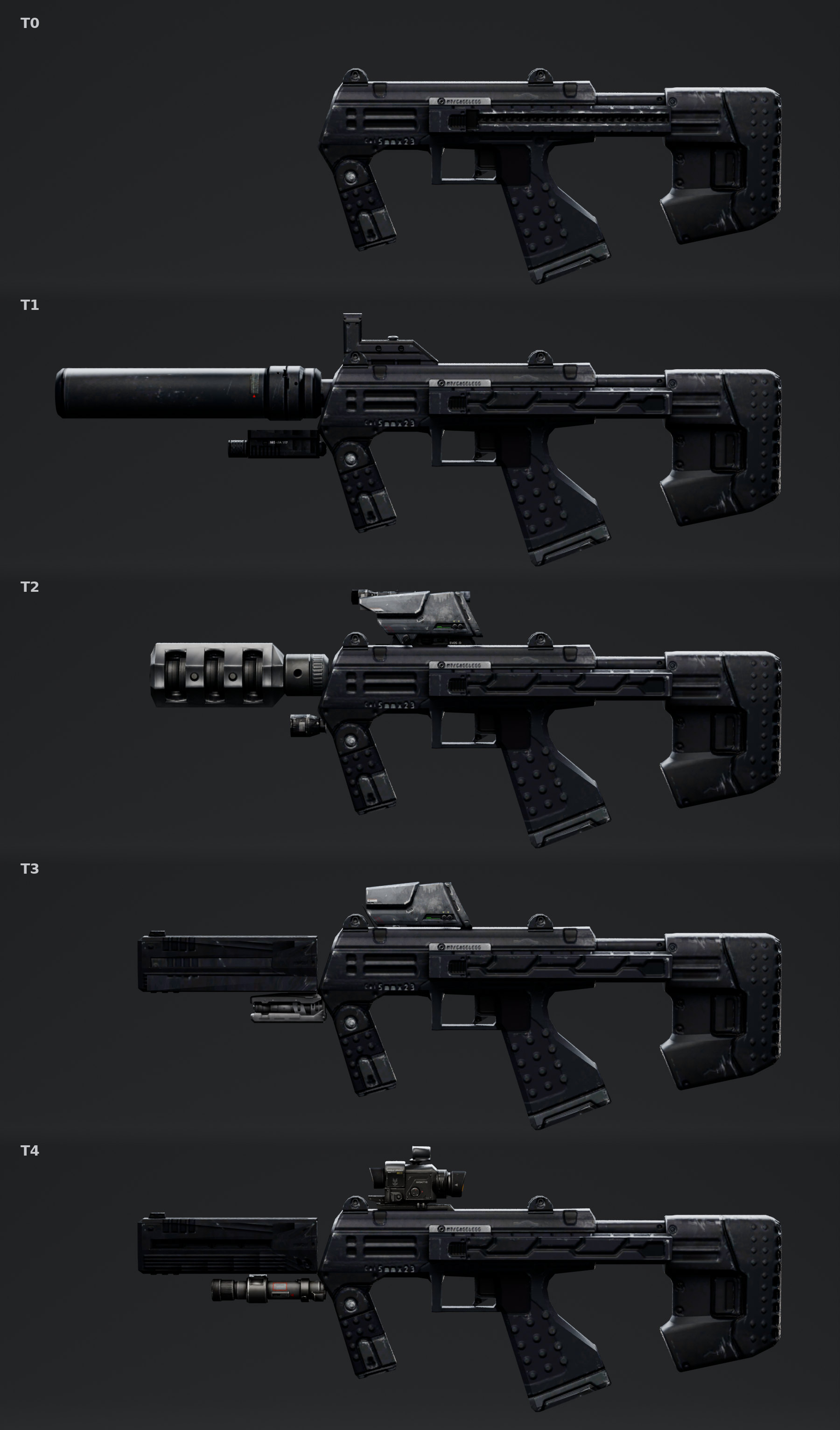
M7 submachine gun
The Halo 3: ODST M7, with its own suppressor and flip sight at T1. Higher tiers share the rifle kit for now.
Review this weapon
1 is no, 5 is yes.
Direct port
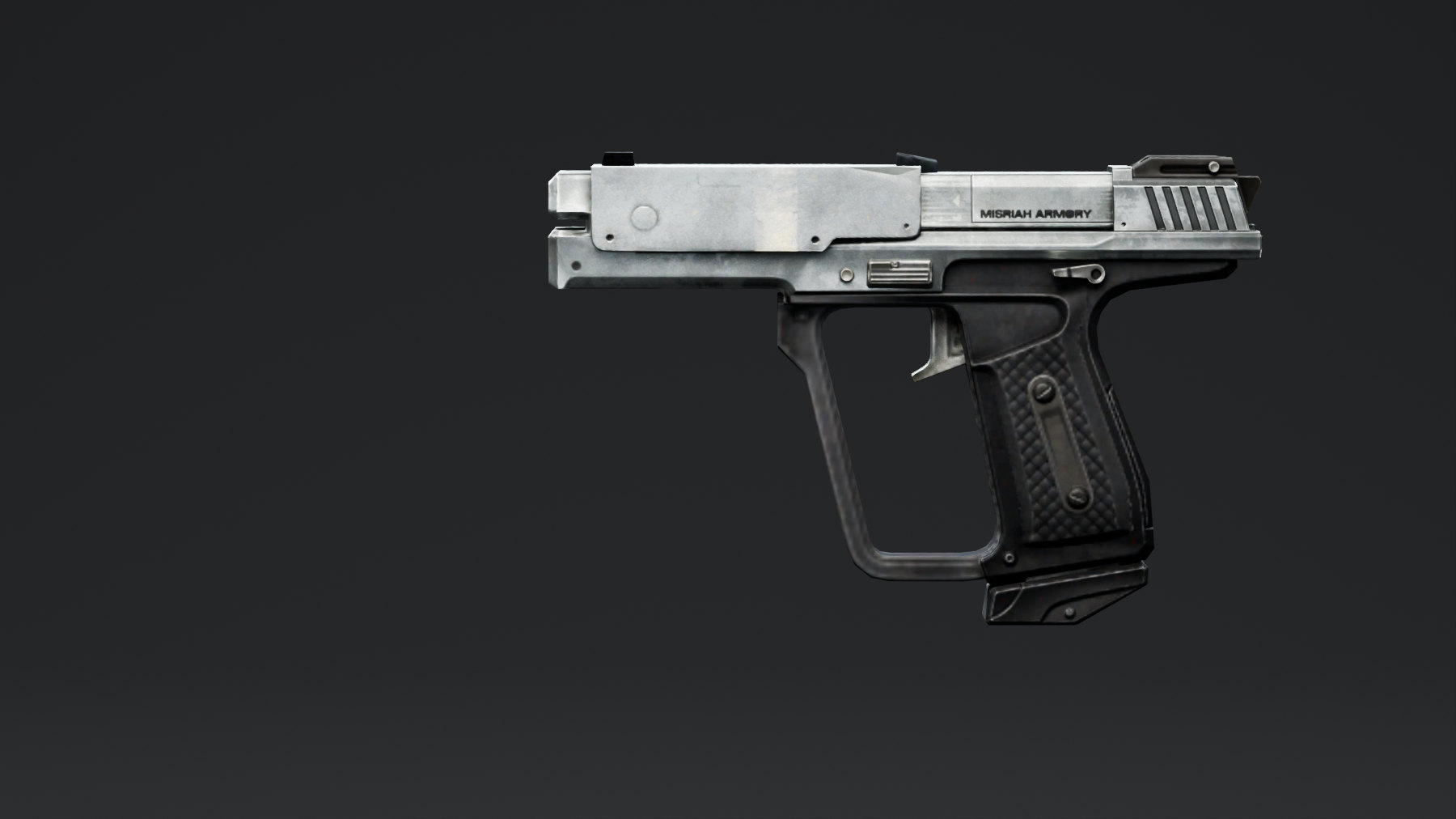
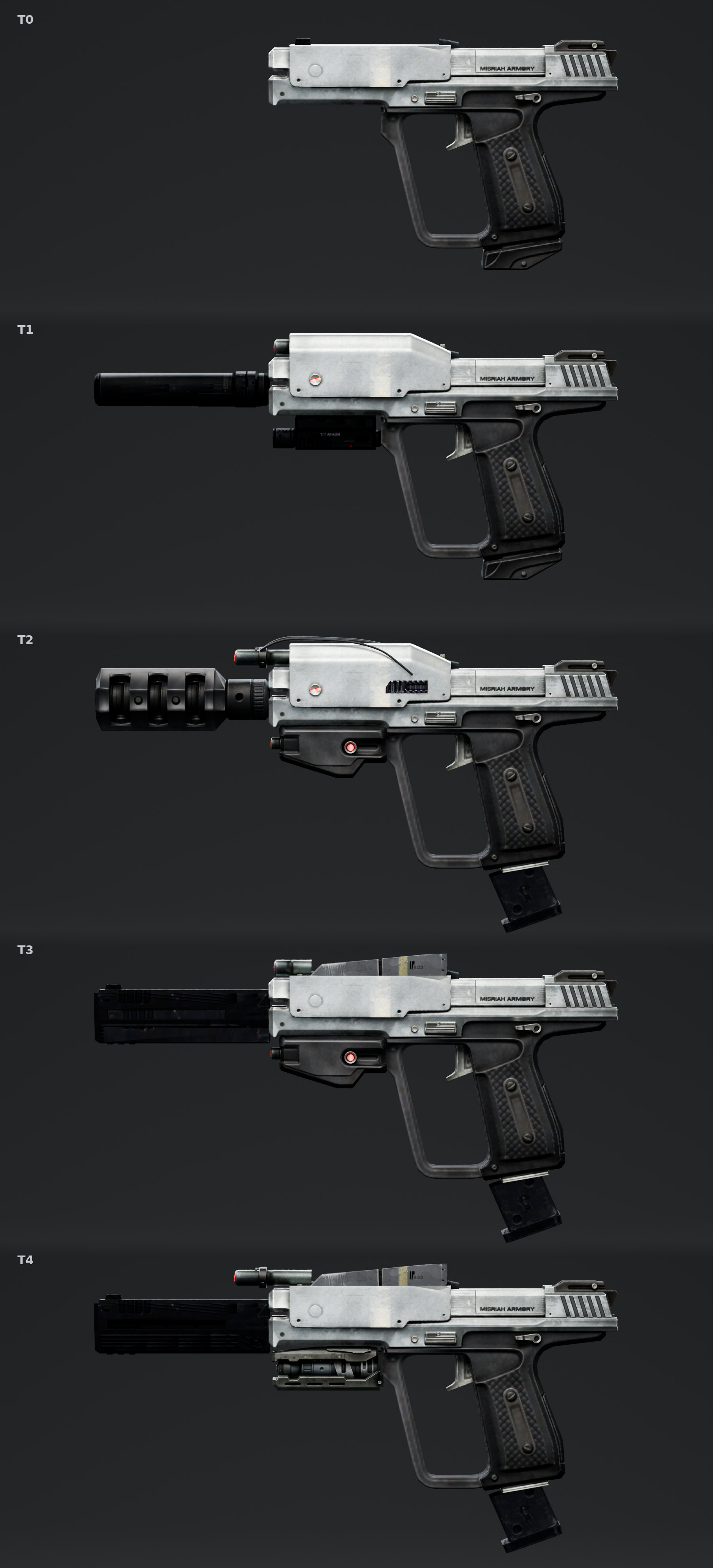
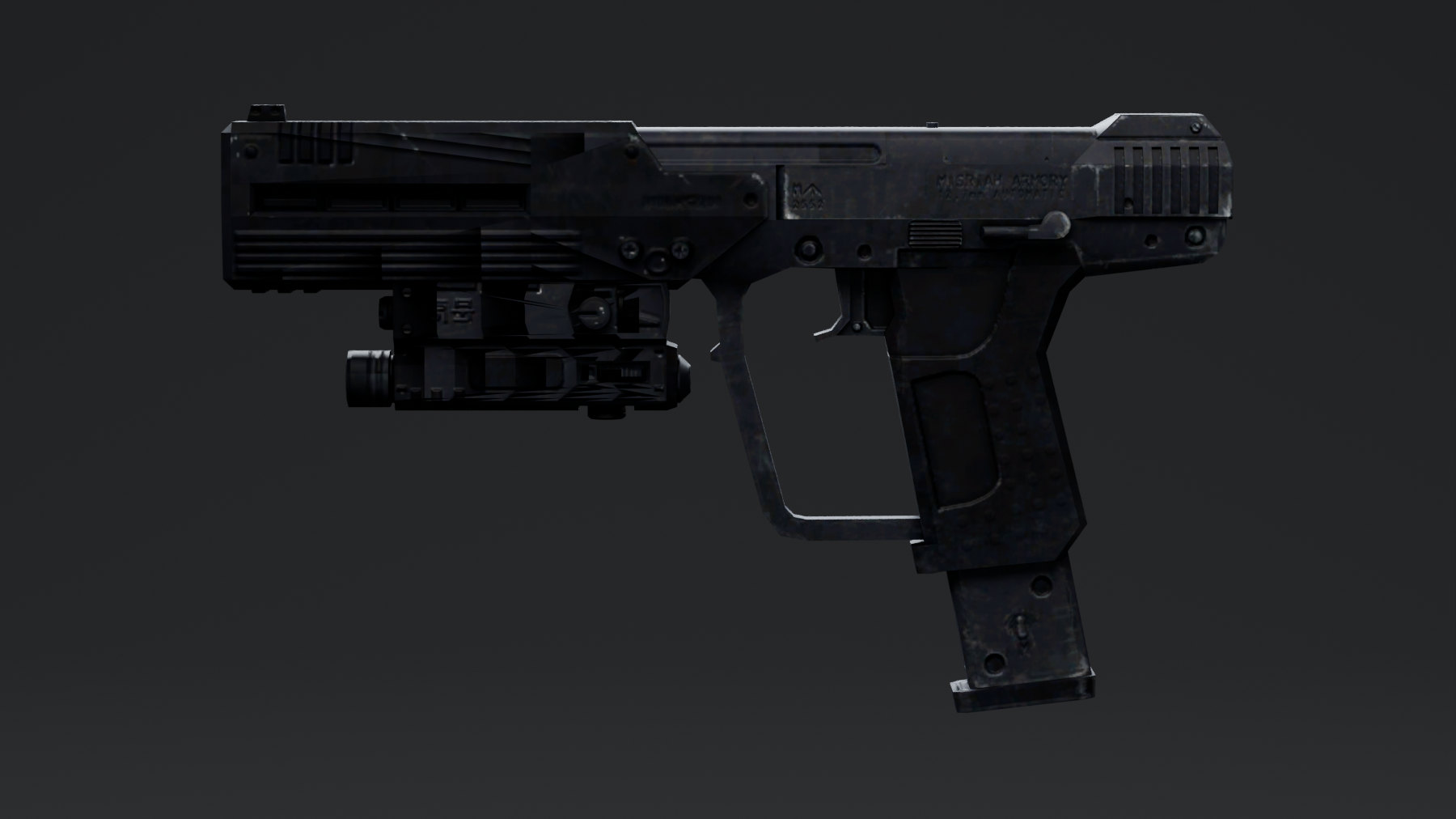
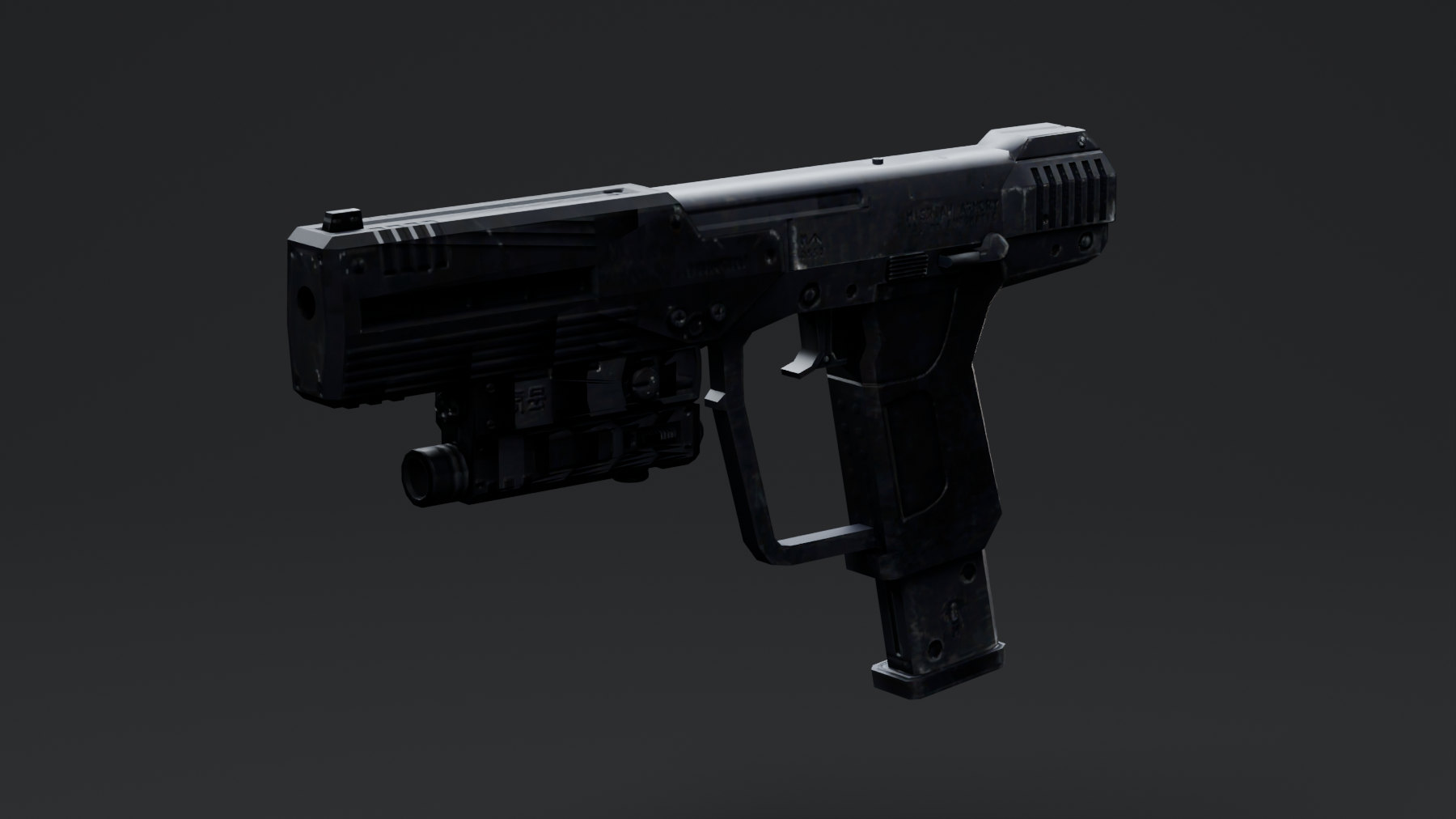
M6G pistol
The full-length Reach M6G, the modular primary pistol. Its bare stock magazine is part of the naked base.
Review this weapon
1 is no, 5 is yes.
Kitbash
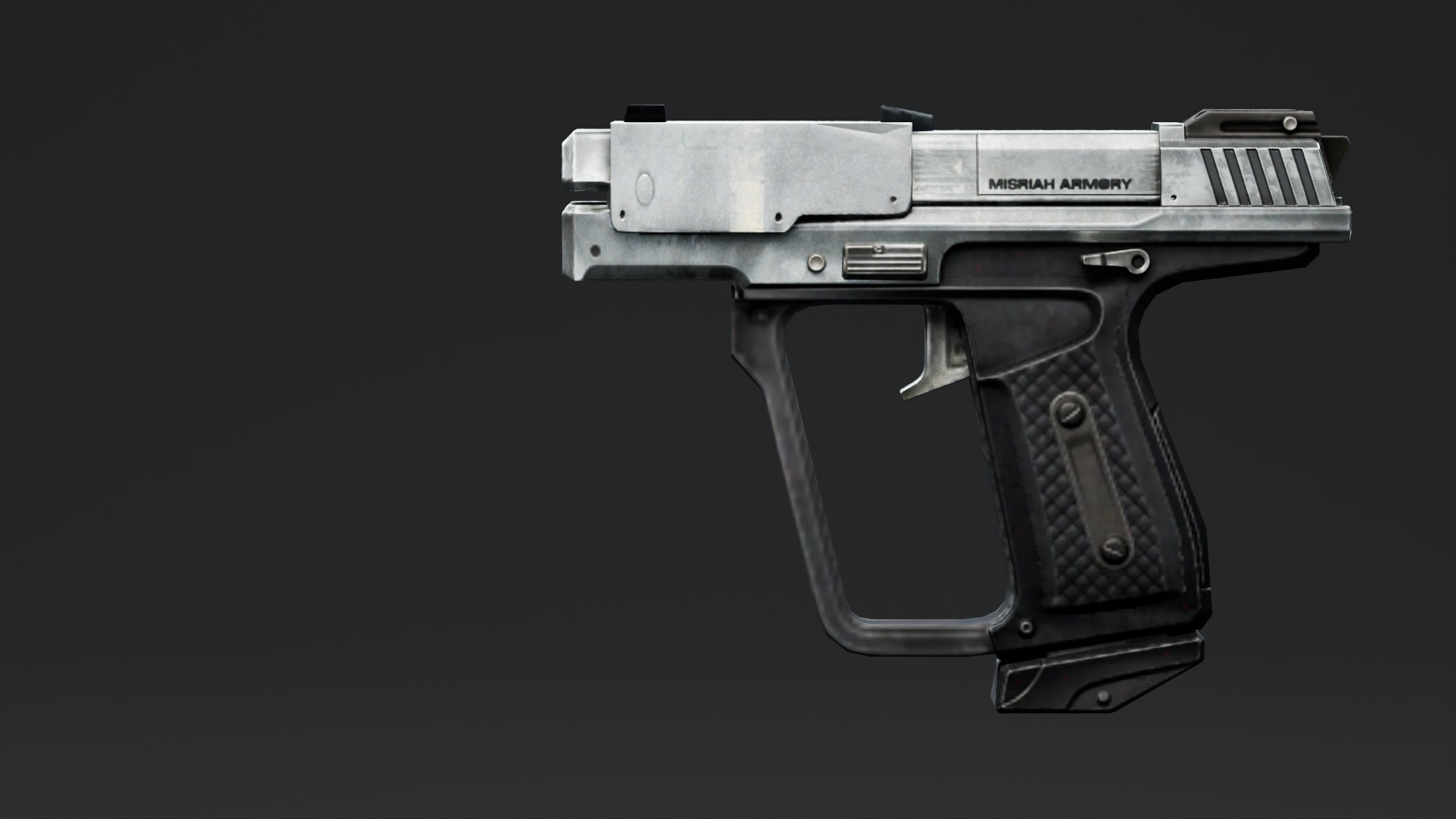
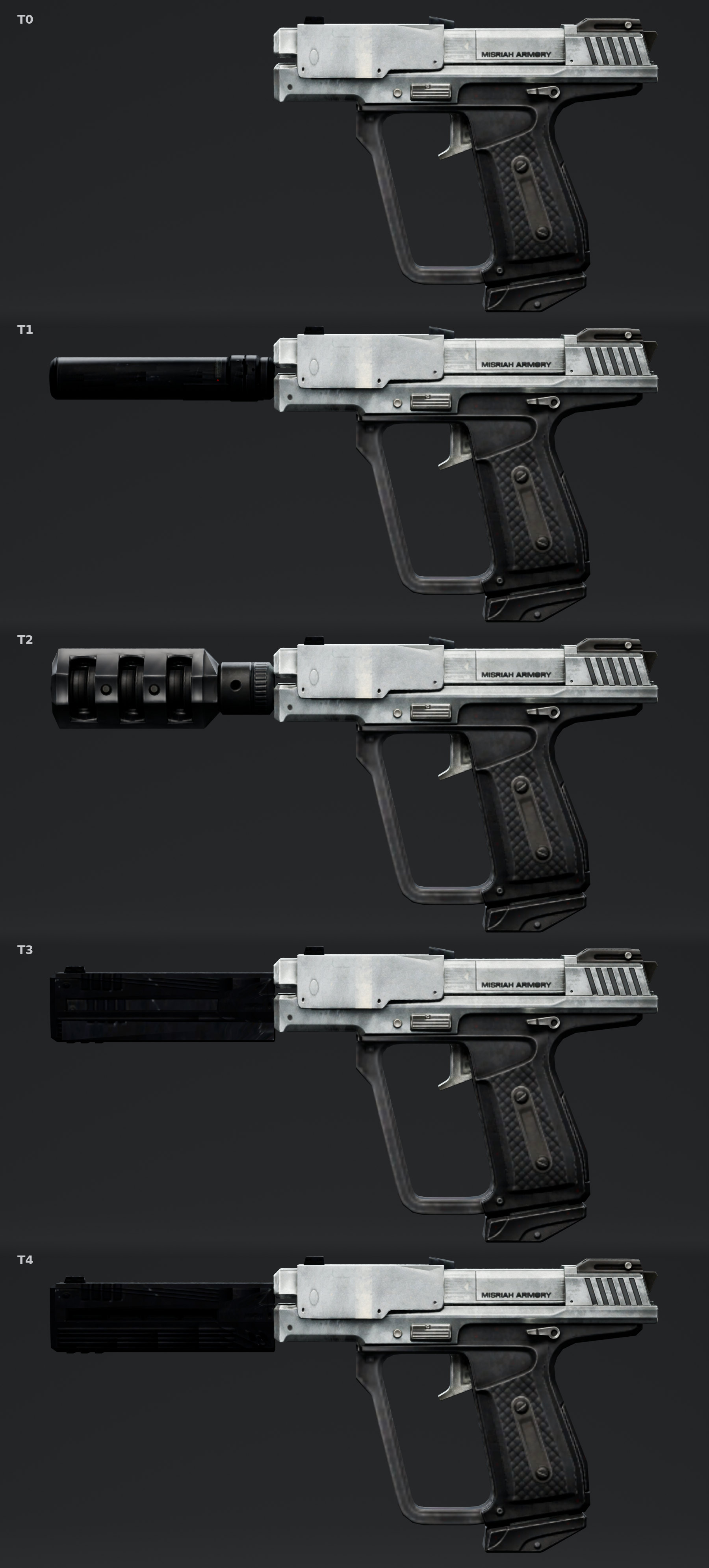
M6C quick-draw pistol
A short sidearm cut from the Reach M6G's own parts. It only takes suppressors.
Review this weapon
1 is no, 5 is yes.
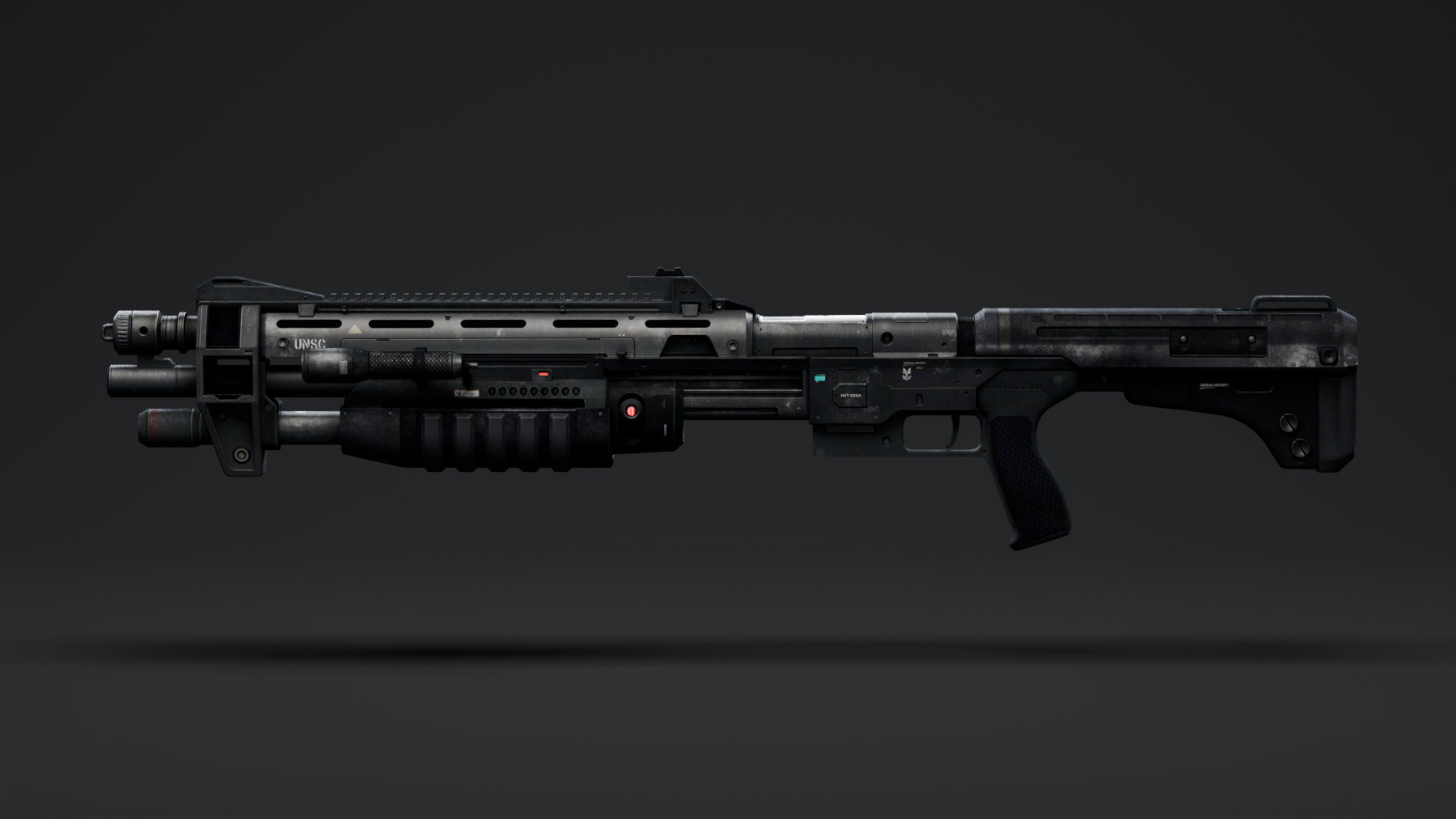
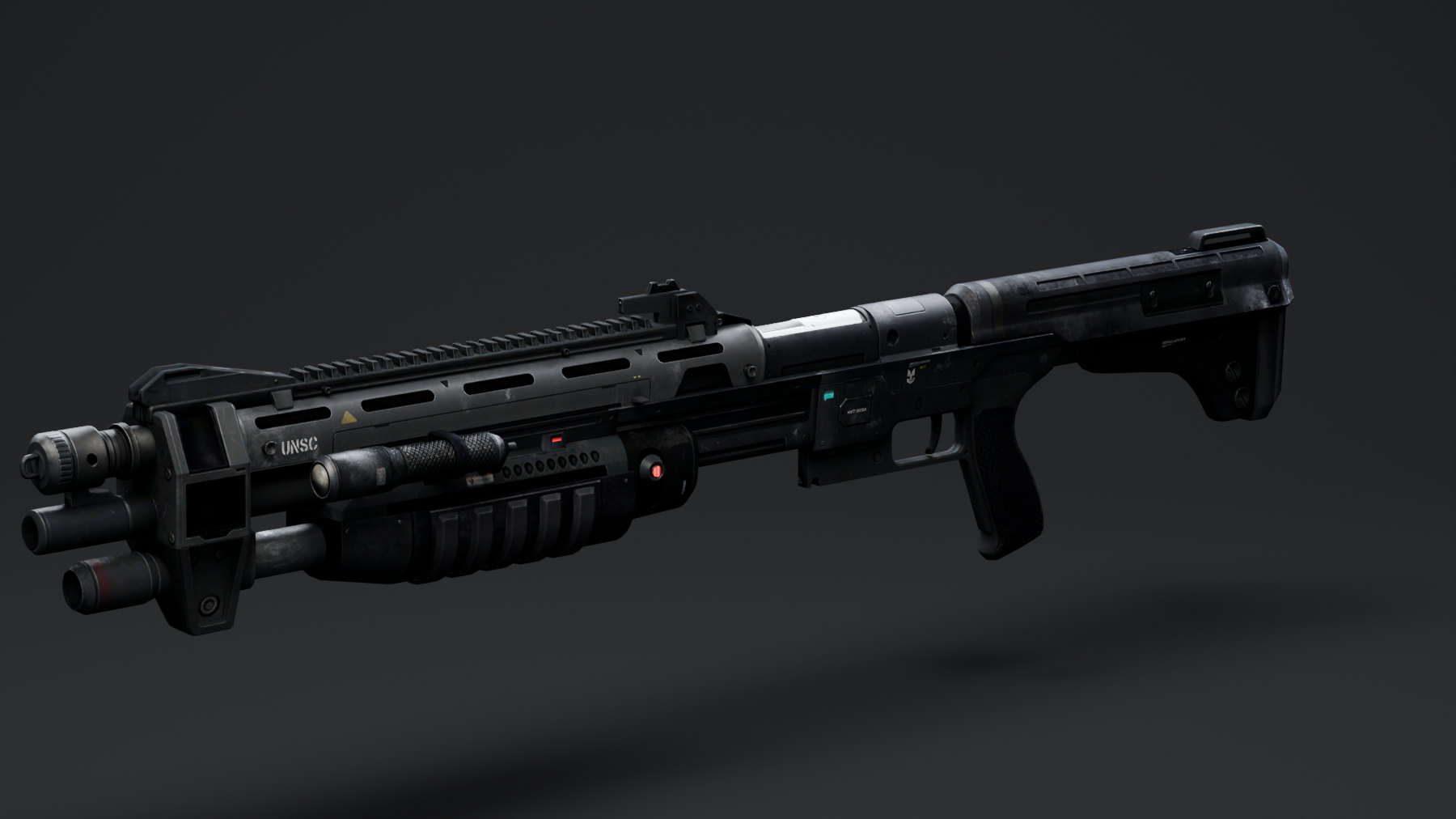
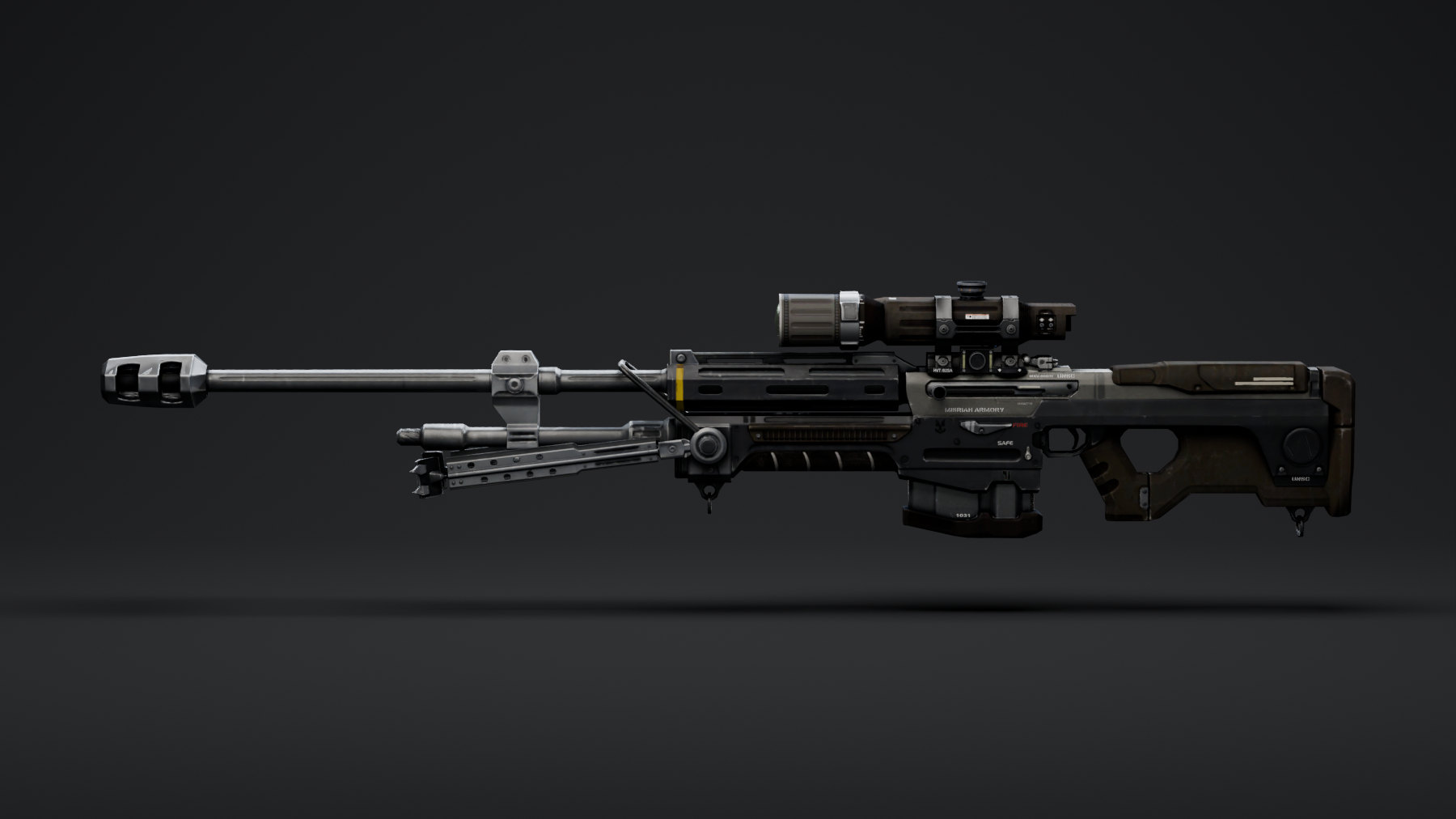
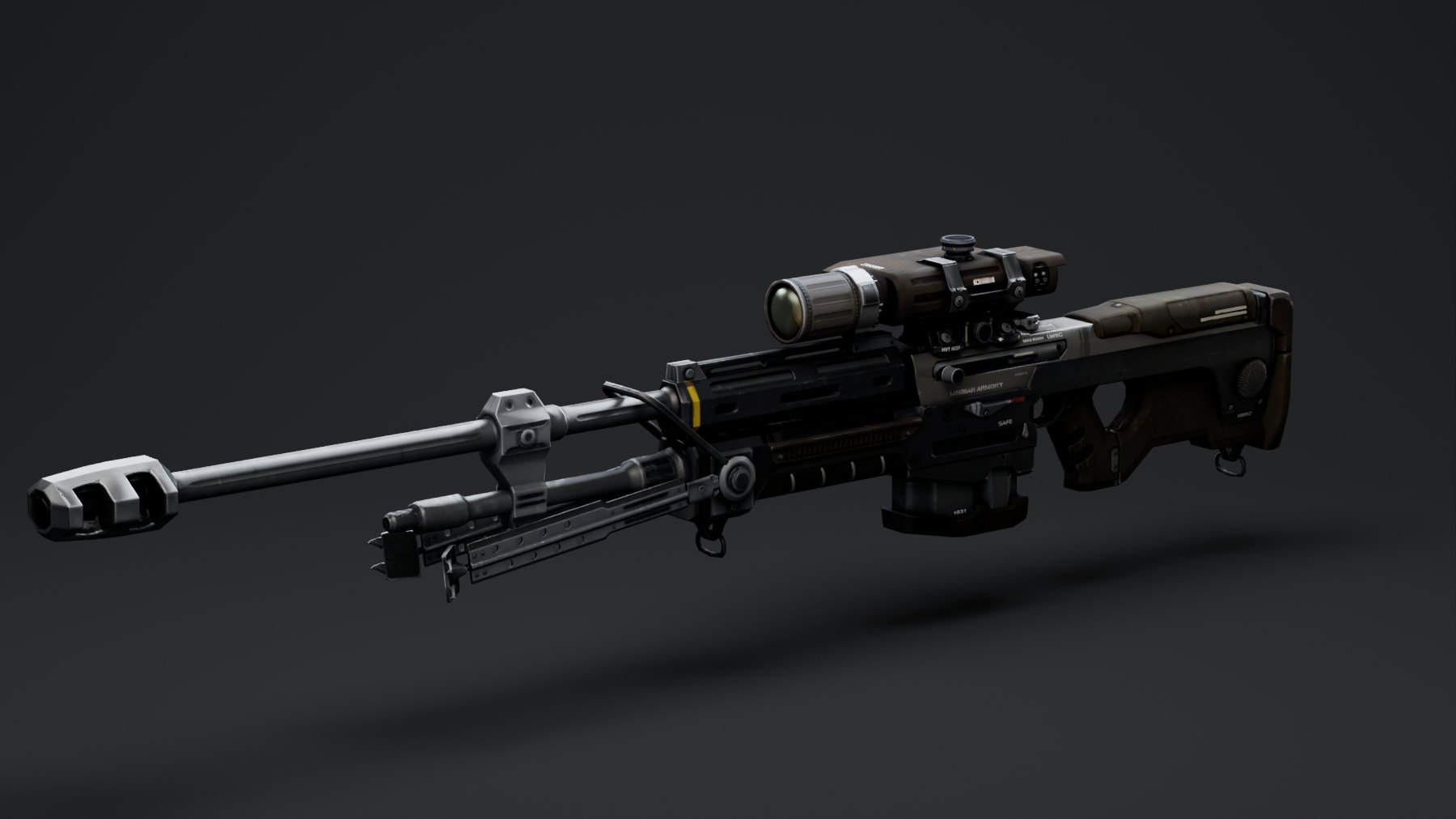
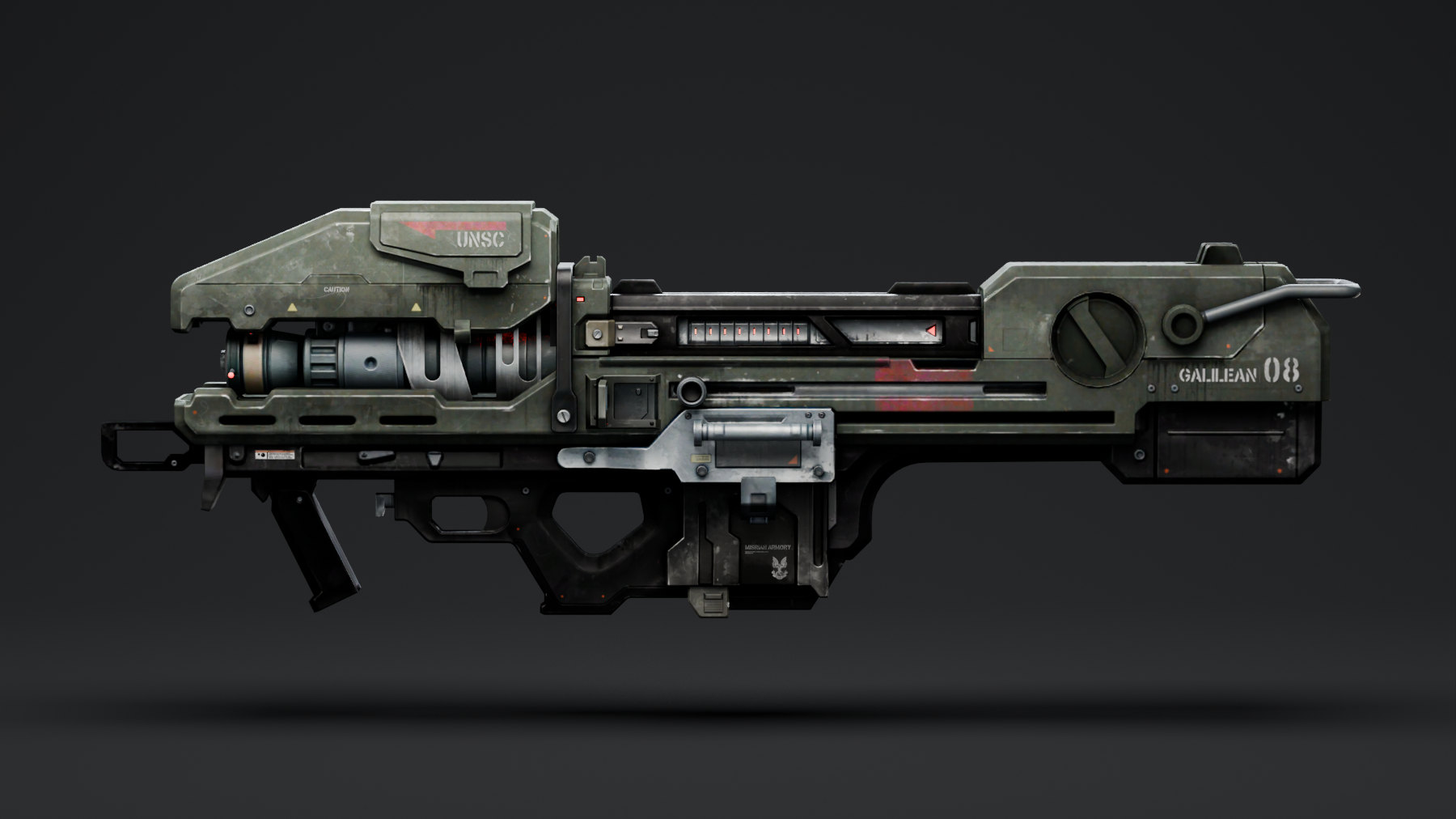
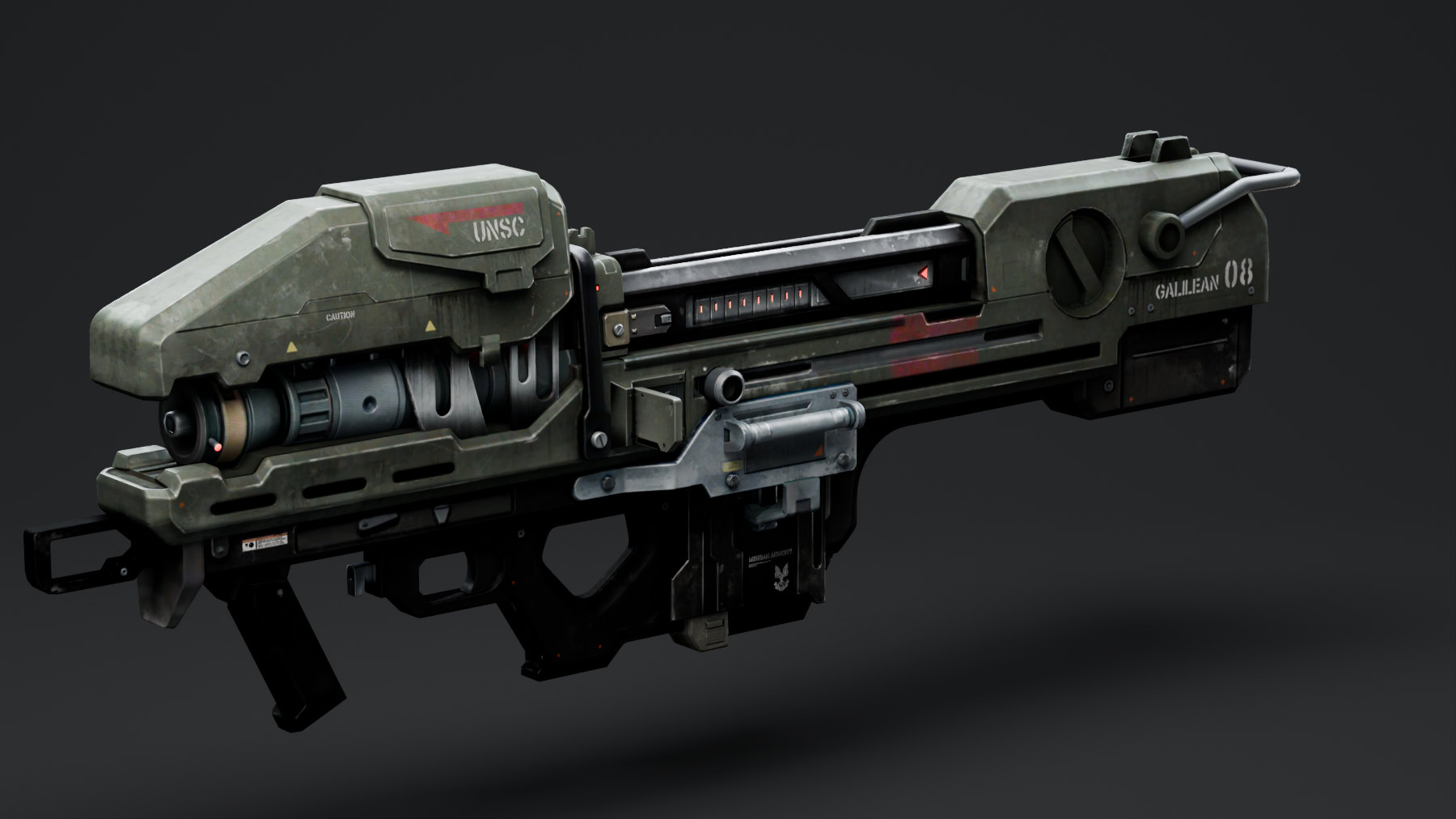
Special weapons
Direct ports of single fixed builds, with no attachment tiers.
Send it over
Personal, non-commercial fan project, with nothing to download. The weapons are direct ports and kitbashes of art from Halo: Reach, Halo 3: ODST and Halo 4 by Bungie and 343 Industries. Not affiliated with or endorsed by Microsoft, Xbox Game Studios or Halo Studios. Halo is a trademark of Microsoft Corporation.